Long before I knew the word author, I was already doing the job. I was a child who loved fantasies and fairy tales, and I had a habit my family will remember: I would take myself off to a private space, somewhere nobody was looking, and imagine. The characters in the books I read enchanted me — but they were never quite enough. So I would invent new ones, people who were not in the story at all, and give them something to do. Then I would sit there and tell myself the whole thing, start to finish, and be thoroughly entertained by my own company.
Nobody told me that was writing. It just felt like the most natural way to spend an afternoon.
By secondary school the habit had found a name. I discovered I loved essays — actually loved them, the way other people love a sport — and English was the subject that came easily. Somewhere in there a quiet certainty settled on me, and it never really left: one day I would come up with a story of my own. Not a borrowed one. Mine.
It took a while. Life does that. But the certainty waited.
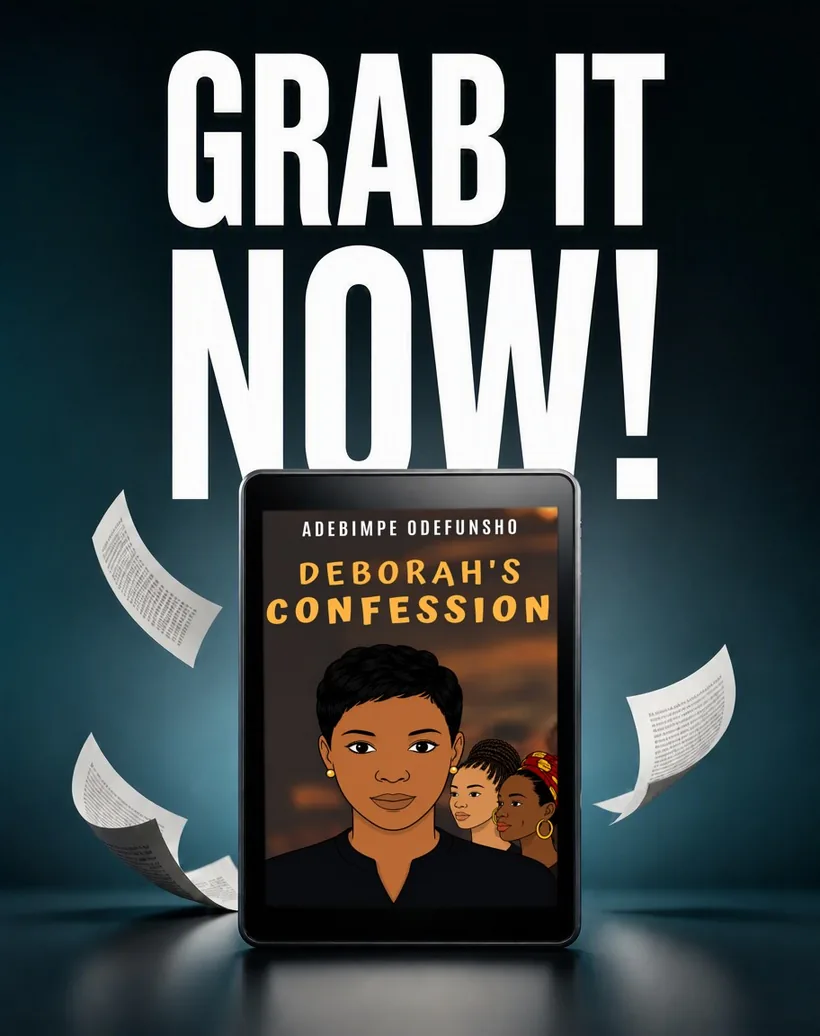
The first one: Deborah's Confession
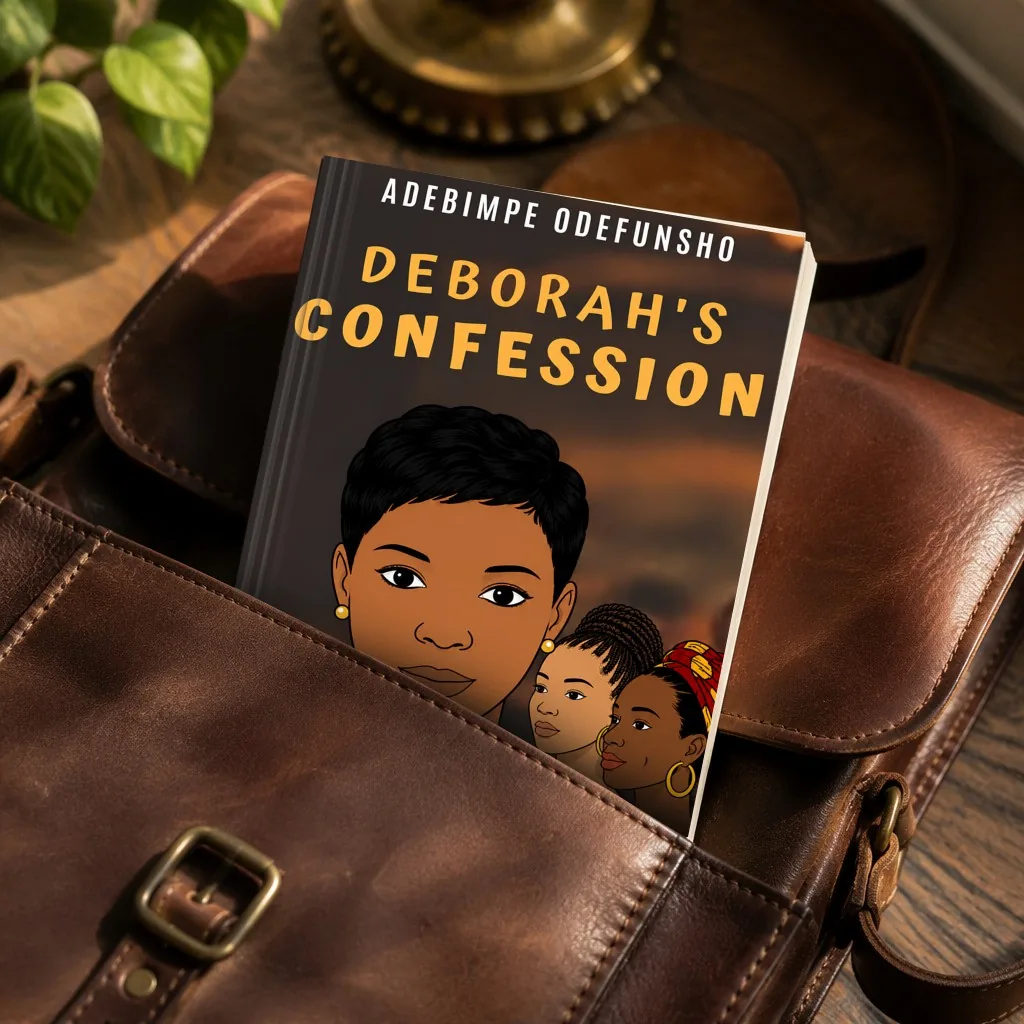
My debut novel is about three beautiful, ambitious young women who love the face of God. It begins where their friendship begins, and then it follows them — the things they did, the people they met, and the slow, ordinary way they drifted from the thing they started out loving. That drift is the part I most wanted to write. Nobody announces that they are getting distracted. It just happens, a little at a time, until you look up one day and you are somewhere you never chose.
So they decide to retrace their steps. To go back to the drawing board. And in the middle of all that, Deborah — my lead — makes a confession to her friends that startles them completely.
That confession is the hinge the whole book turns on. What I was really writing about is self-examination: the value of stopping to look honestly at yourself, and the reason you should accept your mistakes and take responsibility for putting them right. It is not a comfortable thing to do. It is, I think, the thing that saves people.
Where the stories actually come from
People ask what inspires me, and the honest answer is: everything that happens to me and everyone it happens around. Experiences. People. The places I go. Culture — the things we all know and the things we quietly do without ever explaining them.
But there is a mechanism underneath it, and this is the part I would tell another writer. I start with a question. Something I genuinely do not have the answer to. Then I build a story whose job is to go and find out. When the question is real and the people and the places and the culture all pour into it — that is when you get fiction that holds together.
I ask a question, and then I write the story that answers it. Combine all of that, and you come up with a perfect fiction.
And then I kept going
Here is the thing nobody warns you about finishing a first book: it does not settle the itch. It sharpens it. Once I had proved to myself that I could carry a story all the way from a blank page to a real, printed object, the only question left was what to write next.
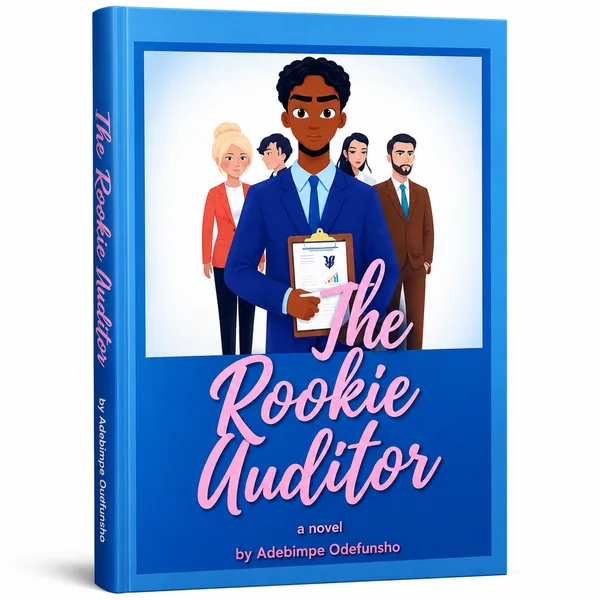
So I went somewhere completely different. The Rookie Auditor is about a first job, a set of books that refuse to add up, and nobody around worth trusting. It is a world away from Deborah and her friends — and that was deliberate. I wanted to know whether I could do suspense, whether I could make a reader uneasy about a column of numbers. Turns out that was its own kind of question worth answering.
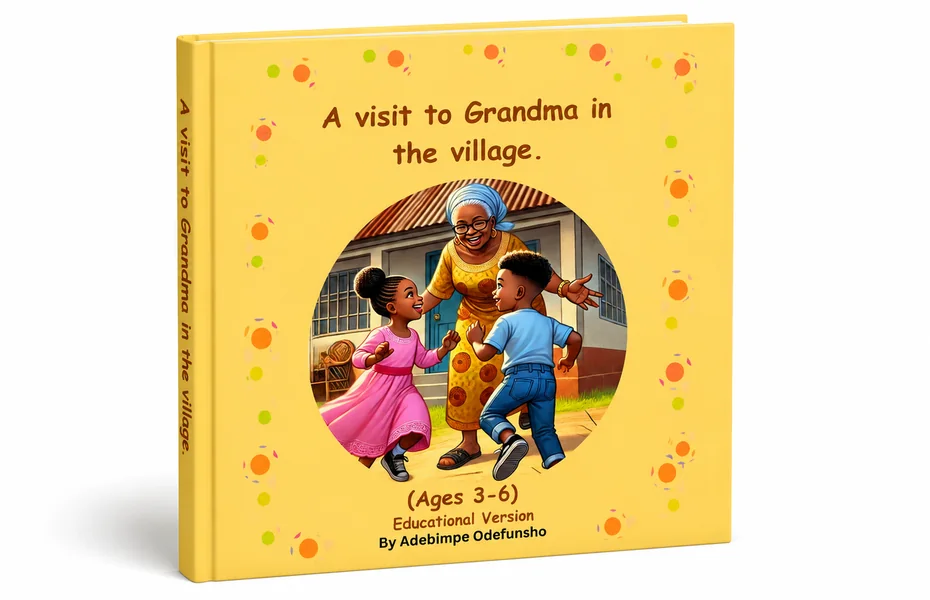
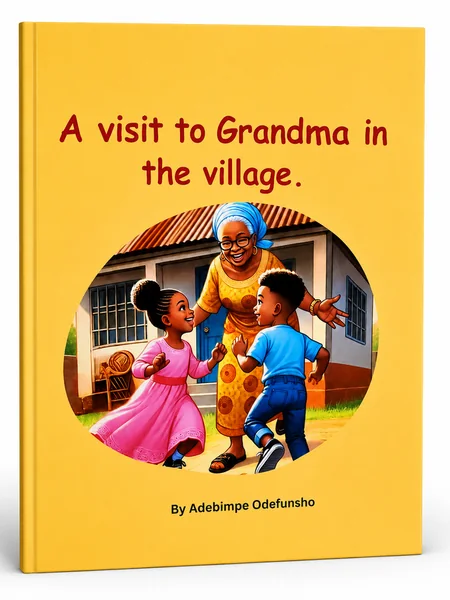
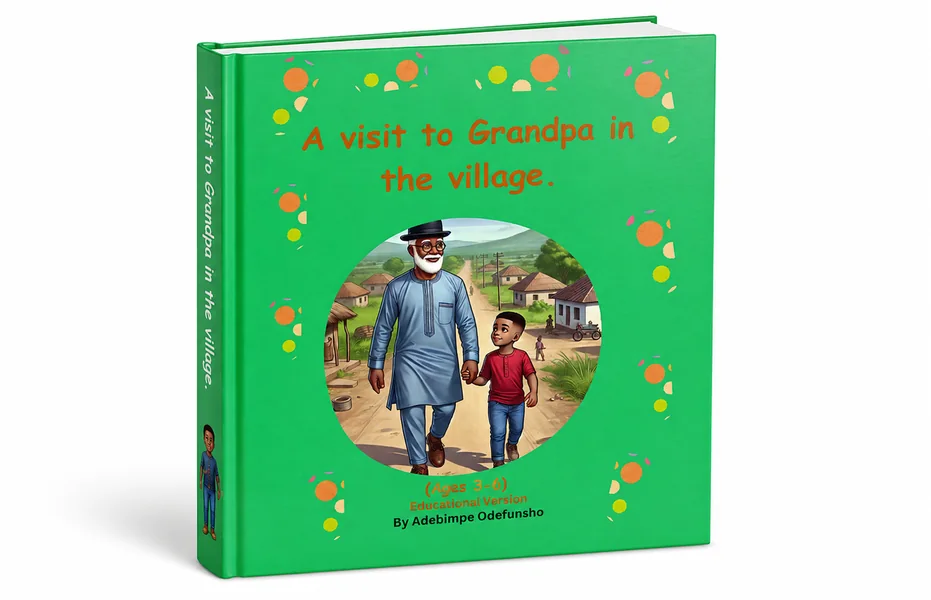
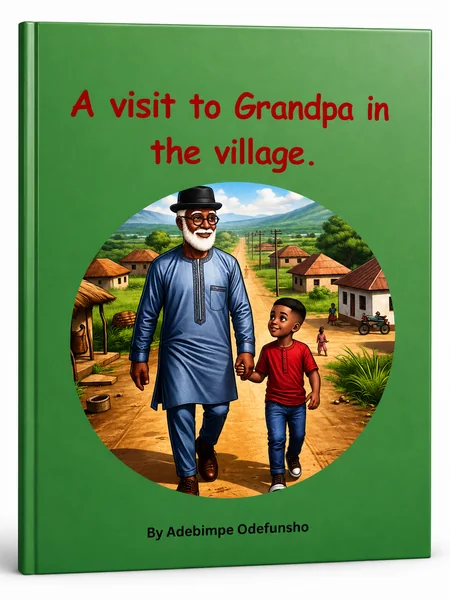
Then I went smaller — much smaller. I started writing for children, and I found I loved it in a way I did not expect. A Visit to Grandma in the Village and A Visit to Grandpa in the Village are about exactly what they say: village life, seen at child height. The smell of it, the noise of it, the way an ordinary day in a place like that is an adventure if you are small enough.
I wrote each of them twice. One edition is built to be read aloud to a three-year-old sitting on somebody's lap. The other is for the seven-year-old who has just worked out that they can do the reading themselves, thank you very much, and would like to be left to it. Same village. Two completely different jobs.
Two books that are really about you
The last two are a different animal, and they come straight out of everything above.
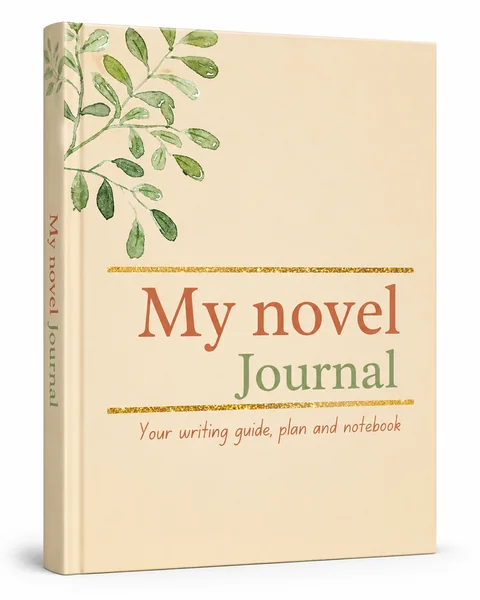
Every time I talk about writing, someone tells me they have a novel in them and no idea how to begin. I remember that feeling precisely. So I made My Novel Journal — a guided journal that walks a first-time novelist from a blank page to a finished first draft, because the gap between those two things is where most books quietly die.
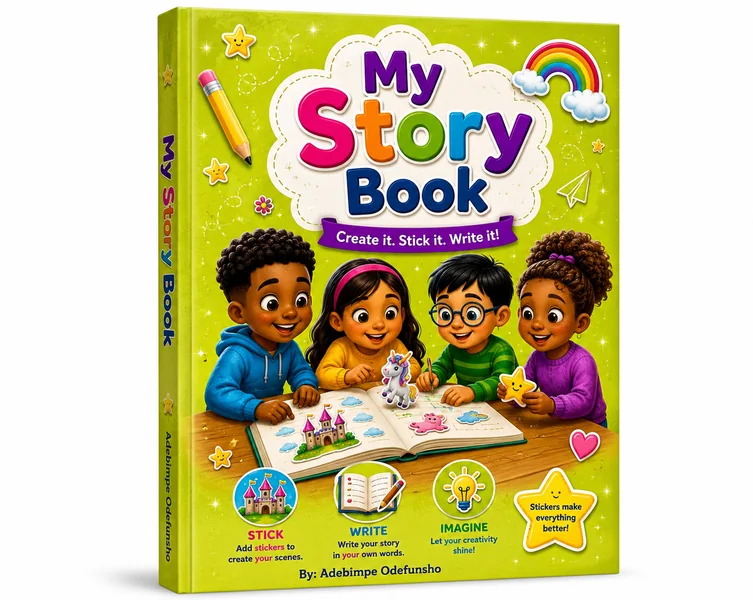
And My Sticker Storybook is the one that makes me laugh, because it is the closest thing to what I was doing as a child in that corner of a room. The book gives you the spaces. You choose the stickers. You make up the rest. That is the whole game, and it always was.
If you are thinking about writing one
I get asked this a lot, so here it is, honestly.
Believe you can do it. That sounds like a motivational poster, I know, but it is load-bearing. Nothing else on this list matters if you have already decided you are not the kind of person who finishes books.
Learn the craft by reading. Not passively — read like a thief. Notice how other authors build a sentence, how they use a word you would not have reached for, how they get you from one scene to the next without you noticing the join. It is all there in the open.
Practise. The more you write, the better you get. There is no shortcut hiding behind that sentence. And I include myself in it — I am still learning, still on the same journey as everybody else.
Then be stubborn. This is the one that actually separates a finished book from a folder of good intentions. You can get distracted so easily. Some days you will write a single page — and a page a day is perfectly fine — but if you stop, if you let the fire go out, the book will sit down by the side of the road and never get up again. Stay focused. Keep the fire burning. Bring it to fruition.

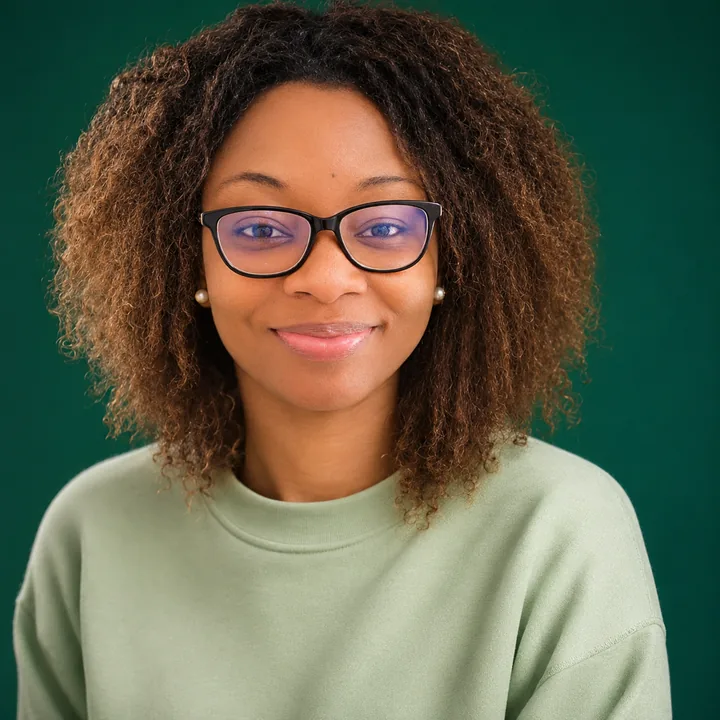
Meet the author — talking about Deborah's Confession, where the story came from, and what I would tell a writer starting out.
One last thing
Thank you — genuinely — to everyone who has read one of these. It is not a small thing to give a stranger your evenings.
I am always open to your comments and your reviews. Tell me what you thought. And tell me what you want me to write next: what story, what kind of character. I am listening, and I am nowhere near finished.